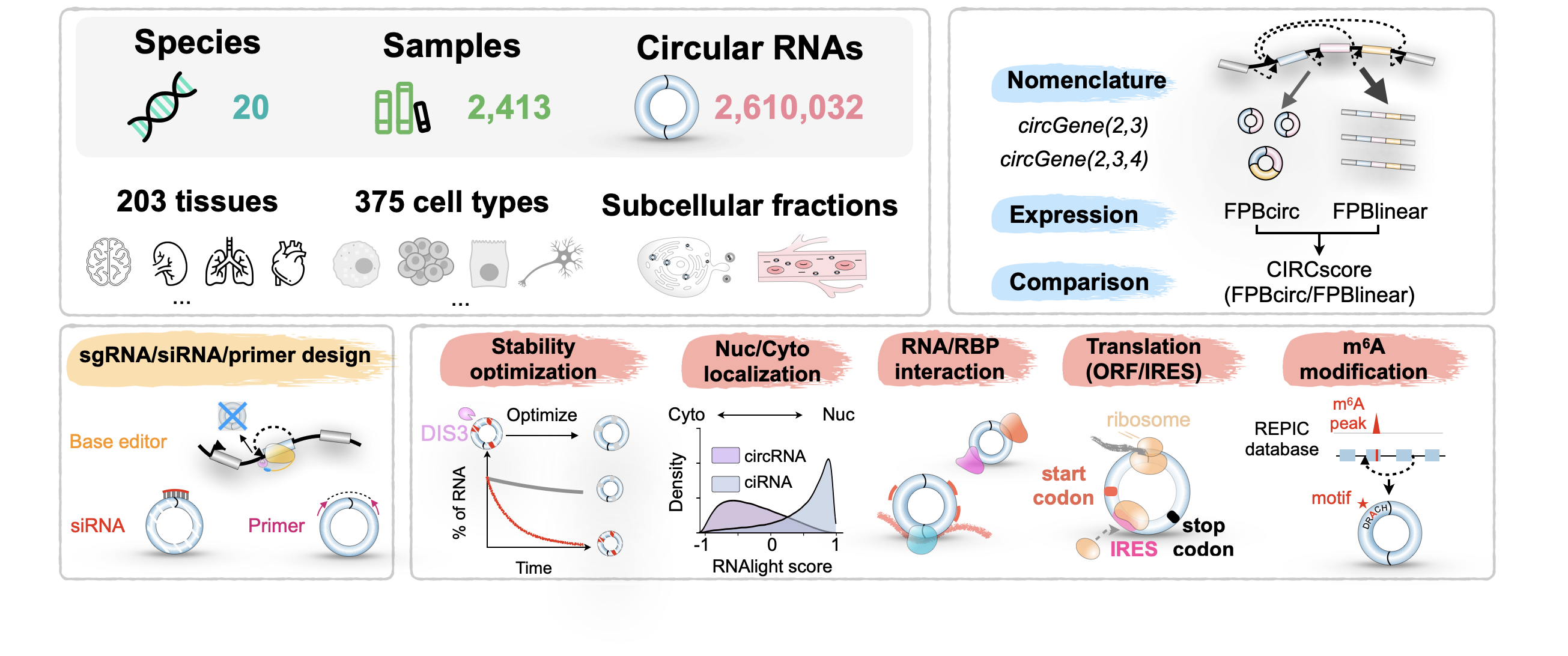
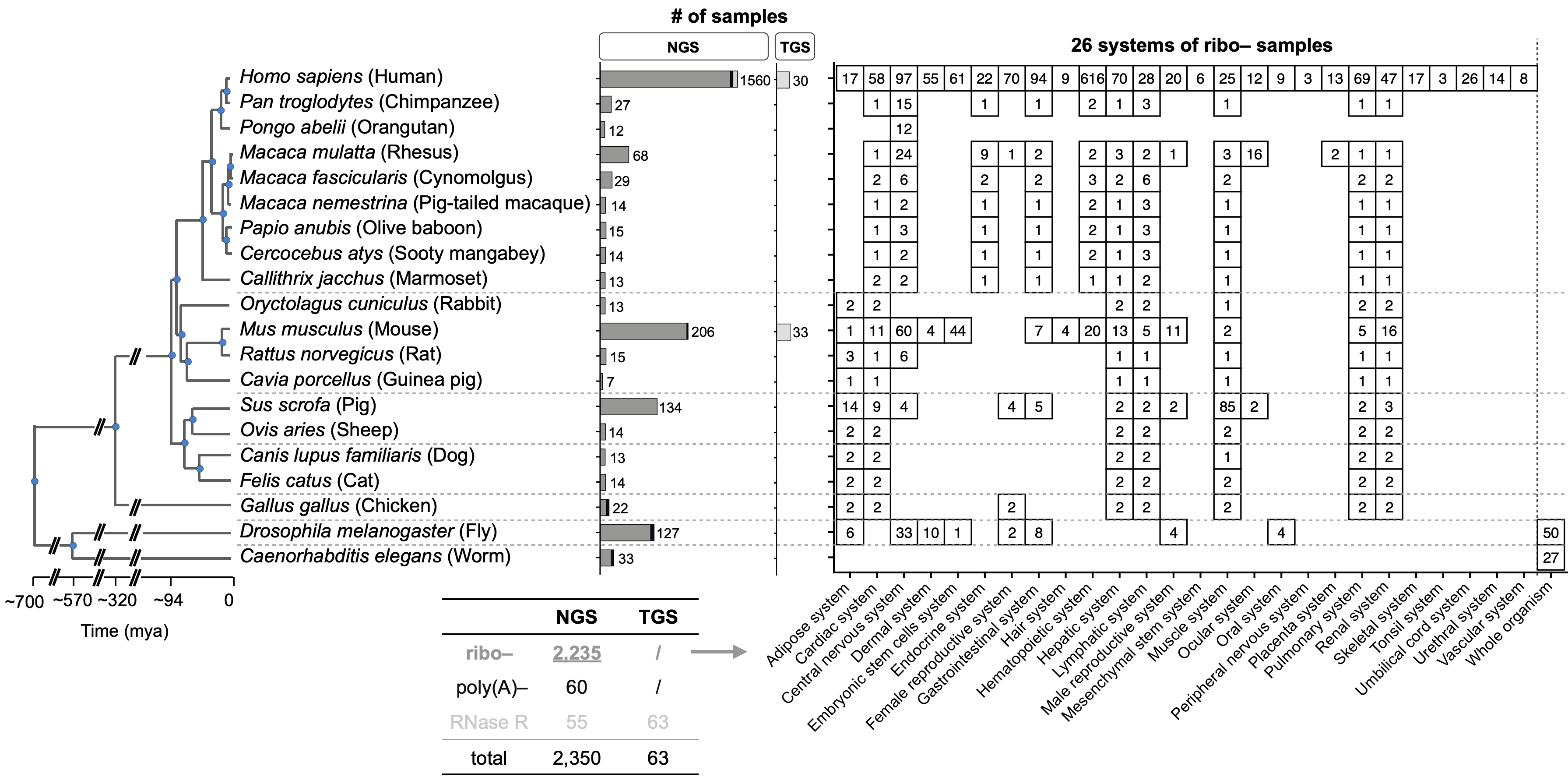
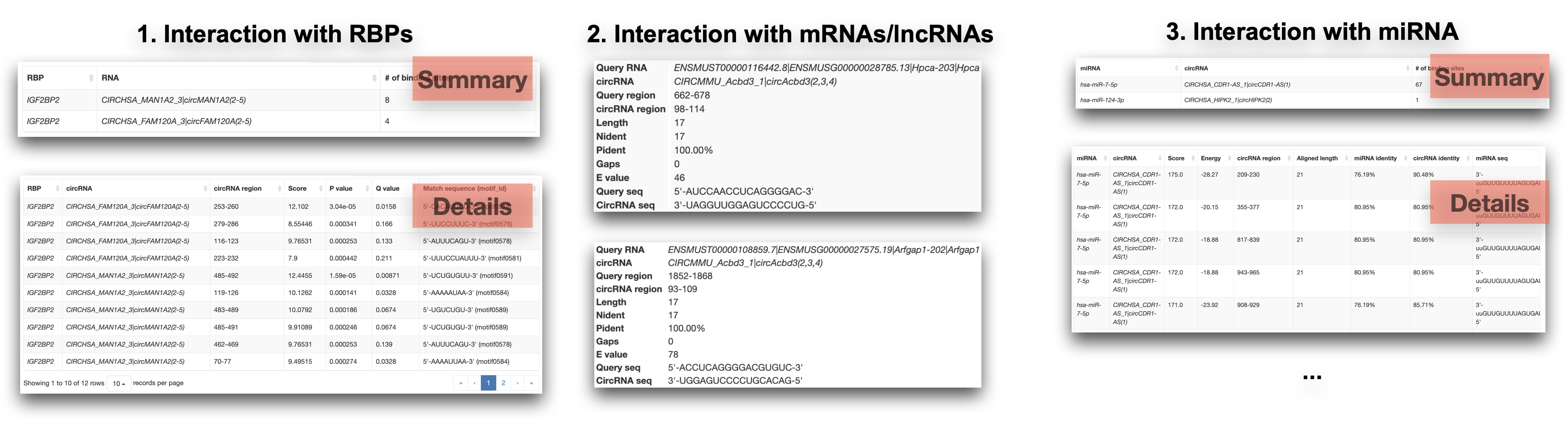
CIRCpedia v3 is a comprehensively upgraded circular RNA research platform integrating 2,350 NGS and 63 TGS datasets spanning 20 species. It systematically annotates 2.6 million circular RNAs with conservation insights, cognate linear RNA expression profiles, and degradation dynamics. The update introduces four innovative modules: gene editing validation, therapeutic circRNA optimization, subcellular localization prediction, and multi-molecular interaction analysis. An enhanced interactive visualization suite enables dynamic data filtering, cross-dataset comparison, and real-time analytics. Besides, many additional functions are included in CIRCpedia v3 to support circRNA studies, including but not limited to: predicting ORFs, IRES activity, and m6A modification sites; designing divergent PCR primers and siRNAs; converting IDs across different circRNA databases.
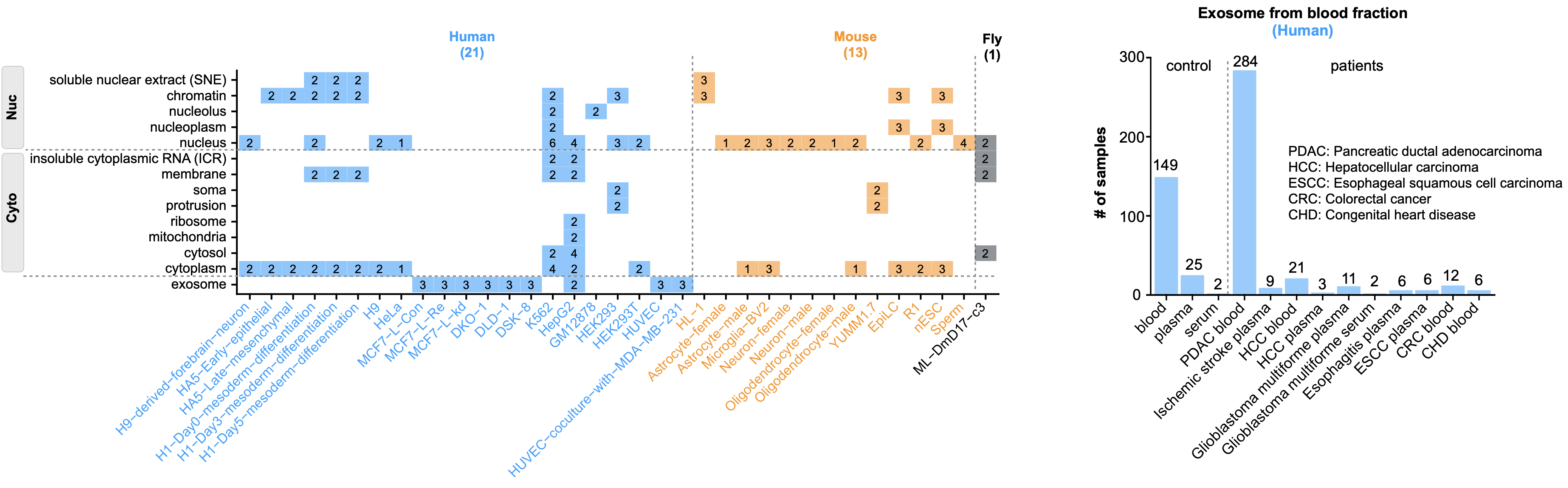
All samples are classified into whole organism, tissues, cell lines and subcellular fractions. Especially, hundreds of exosome from blood fractions of control and eight diseased cohorts are included in our database for exploration.
Figure 3: The number of subcellular fractions of RNA-seq samples
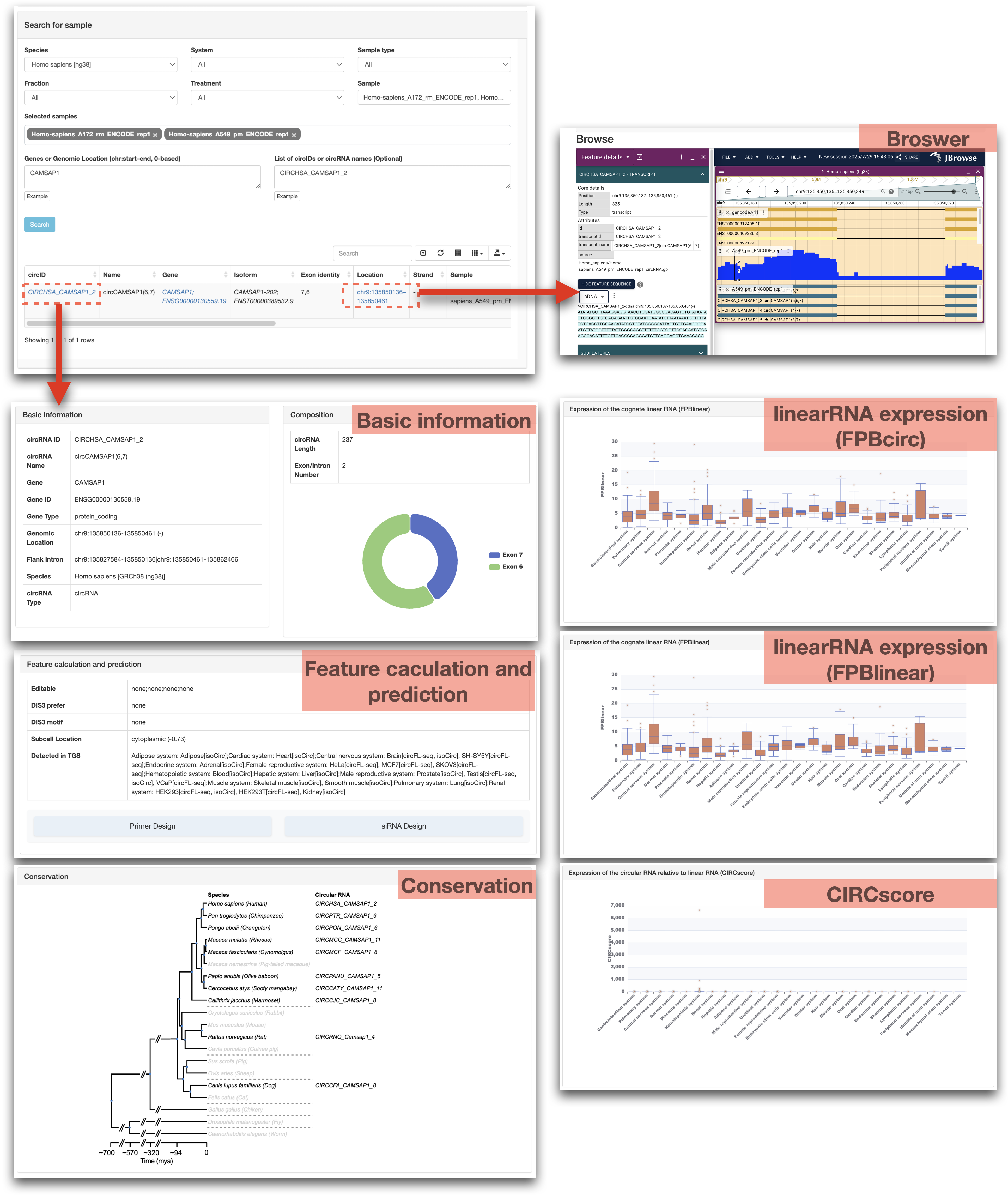
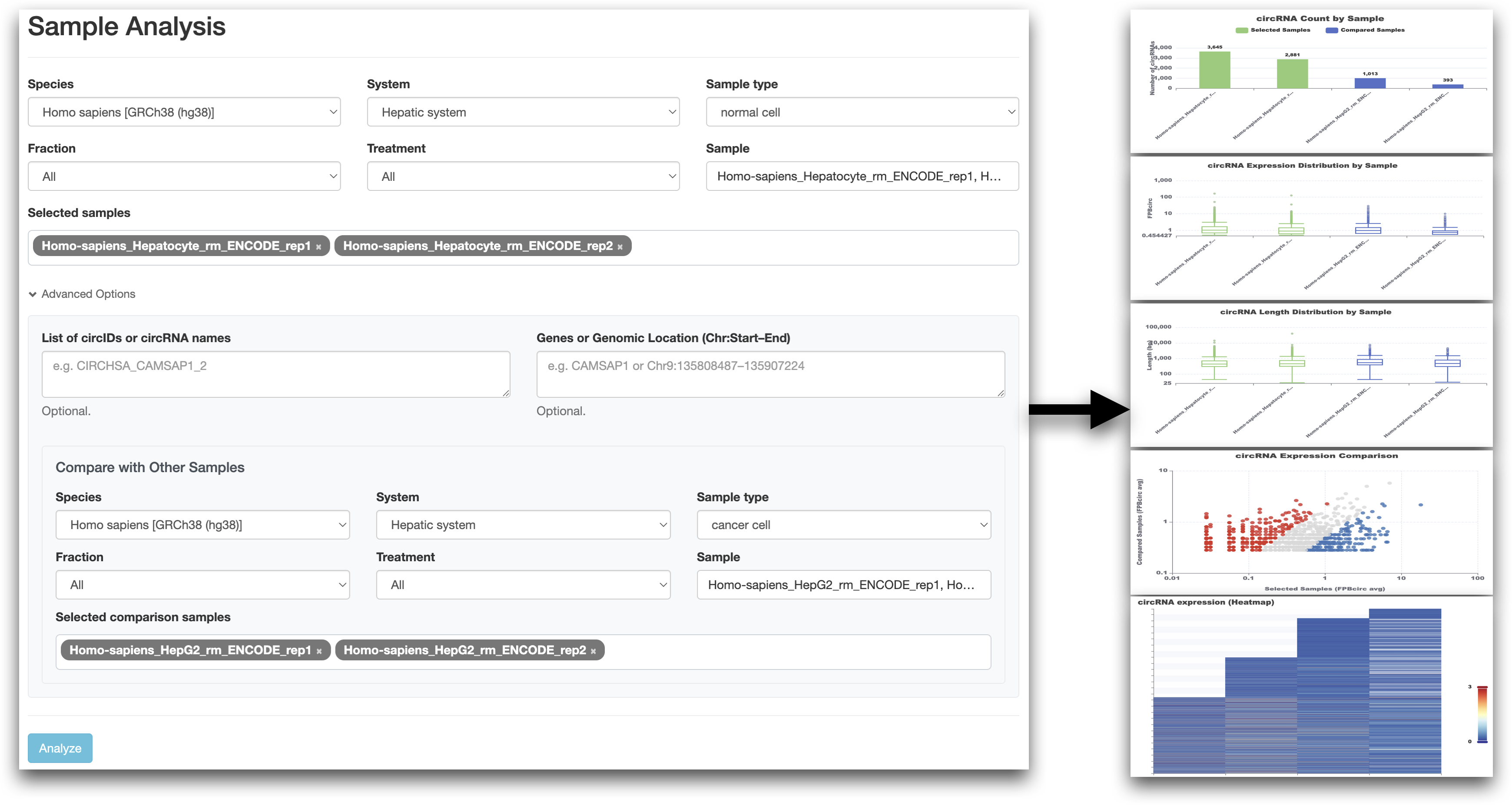
Users can retrived the expression of circular RNAs (FPBcirc), their cognate linear RNA (FPBlinear) and the expression of circular RNAs relative to their cognate linear RNA (CIRCscore) in "Search" module. And we provied serveral filters to help users to find the samples of interest:
Species
System: the organ system of the sample.
Sample type: whole organism, normal/cancer tissue, normal/cancer/diseased cell and blood/plasma/serum.
Fraction: the fracton of sample.
Treatment: the strategy to enrich circular RNAs during library preparation
ribo minus (rm): ribosomal RNA depleted
polyA minus (pm): poly(A)+ RNA depleted
RNase R (rr): RNase R treatment to degrade linear RNAs
Note: user must specify the genome locus by providing (zero-based) genome locations or Refeq/Ensembl gene id/symbols. As a option, they can further search the specific circular RNA with recommanded name [eg. circCAMSAP1(6,7)] or circID (eg. CIRCHSA_CAMSAP1_2).
Besides, clicking the circID in results opens a dedicated page of comprehensive annotation for this circular RNA. And Clicking the Location redirects to JBrowser to visualize this circular RNA's position in the genome.
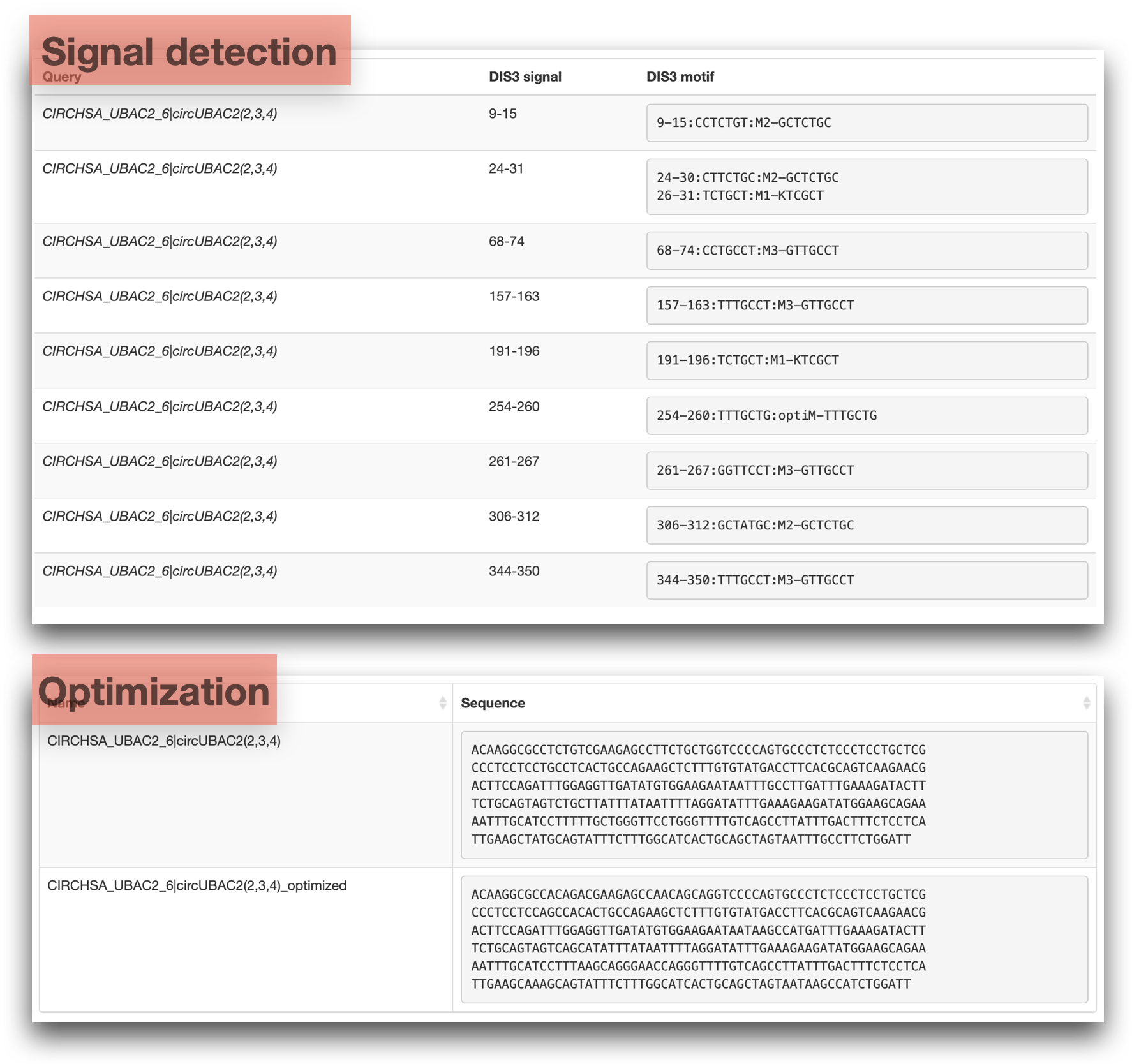
We recently identified a DIS3 (chromosome disjunction protein 3, exosome endoribonuclease, and 3’–5’ exoribonuclease) mediated circRNA decay pathway which regulates the turnover of more than half of circRNAs by preferentially targeting U-rich motifs. Accroding to the reported method, we provides prediction of DIS3 degradation signal in circRNAs. Then, the sequences was optimized by base (for non-coding sequence) or synonymous codon (for coding sequence) replacements in signal-overlapping regions to minimize uridine (U) content to design more stable RNA cicles.
Figure 7: Example of DIS3-mediated degradation detection and sequence optimization
We also provided functions to predict the open reading frames (ORFs) and internal ribosome entry sites (IRESs) within circRNAs.
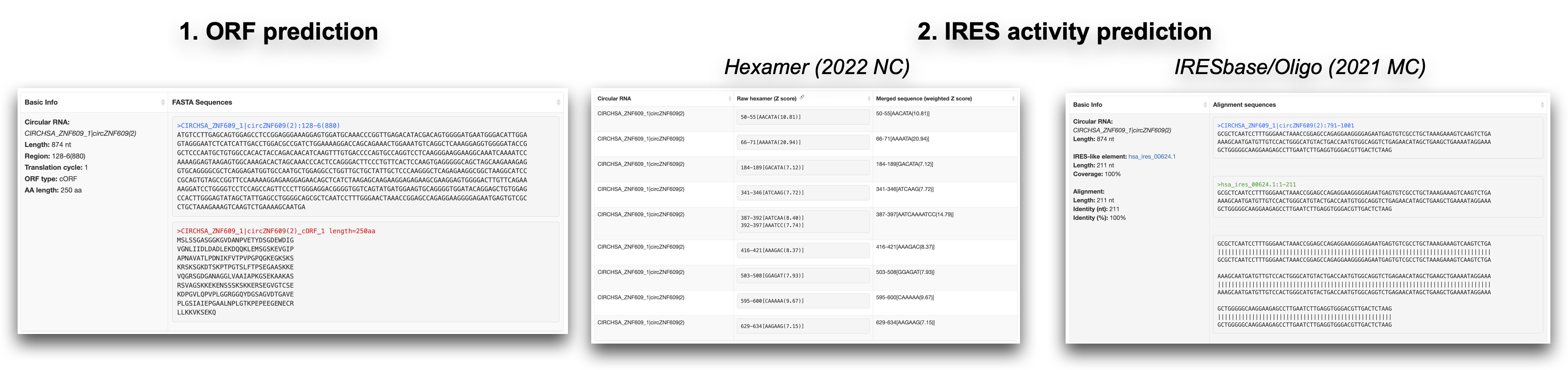
ORF prediction: To identify potential circRNA-specific ORFs, quadruplicated circRNA sequences were analyzed using ORFfinder. ORFs containing both start and stop codons with encoded peptides ≥20 amino acids were designated “cORFs,” while those lacking stop codons were termed “rcORFs” (rolling circle ORFs). For ORFs sharing identical start and stop codon positions, only the longest variant was retained. Given the fact of overlapping sequences between circRNAs and their cognate linear RNAs, only cORFs that span back-splice junction (BSJ) sites are considered circRNA-specific and are therefore provided.
IRES actvity prediction
Short hexamer sequences in circRNAs were identified that fully match 97 previously reported hexamers that could drive translation of GFP in synthetic RNA circles (Nature Communication, 2022), and then marked as having potential IRES activity.
circRNA sequences were also aligned to experimentally validated IRESs (from IRESbase) and oligonucleotides with confirmed eGFP translation activity (Molecular Cell, 2021) in RNA circles by using BLASTN (v2.16.0; parameters: -task blastn-short -strand plus). Longer (≥ 30nt) circRNA sequences with ≥ 80% identity to any of these IRES or oligonucleotides were also considered with potential IRES activity. These identified hexamer and longer sequences in circRNAs are suggested as IRES-like elements.
Figure 8: Example of validated ORF and IRES activity in circZNF609(2)
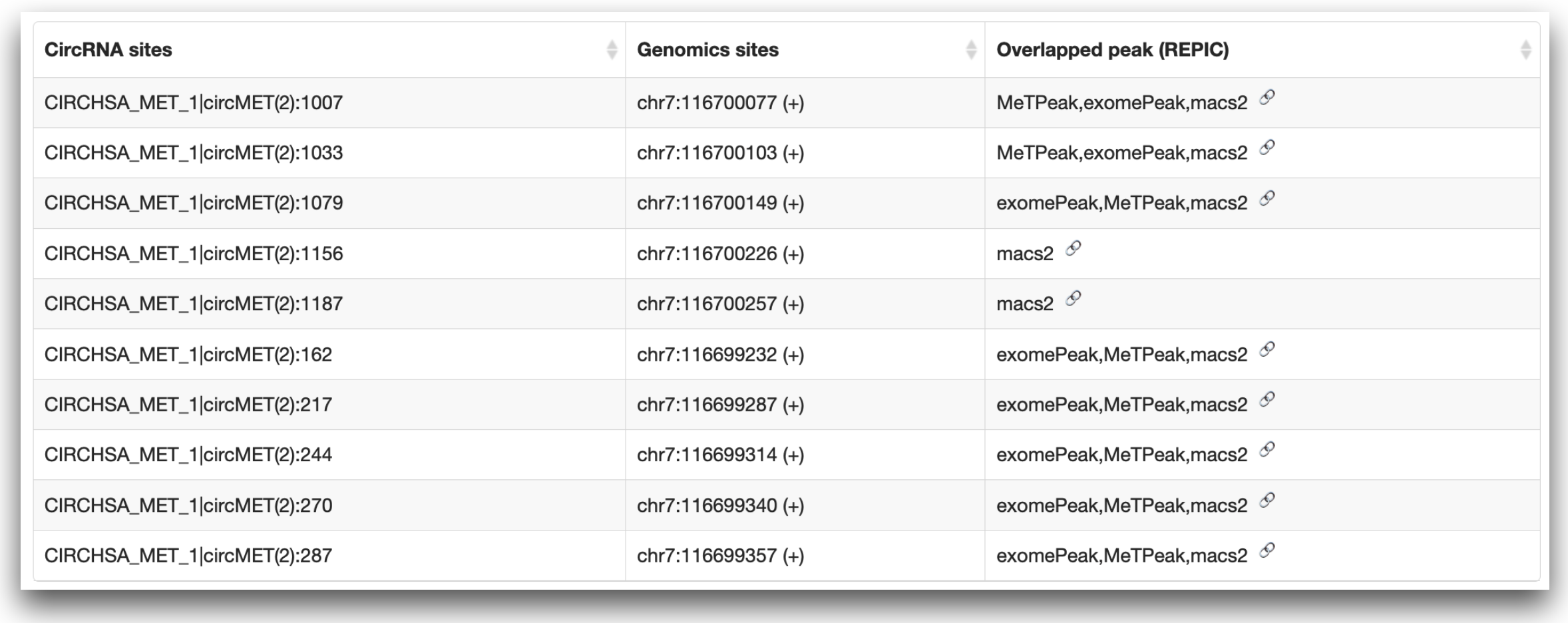
To predict potential m6A modification sites on circRNAs, circRNA sequences were first scanned for canonical m6A motifs (DRACH, where D = G/A/T, R = G/A, H = A/C/T), and then compared with experimentally validated m6A peaks deposited in the REPIC database to identify overlapped ones for confidence m6A sites.
Figure 9: Example of m6A modification prediction on circRNA
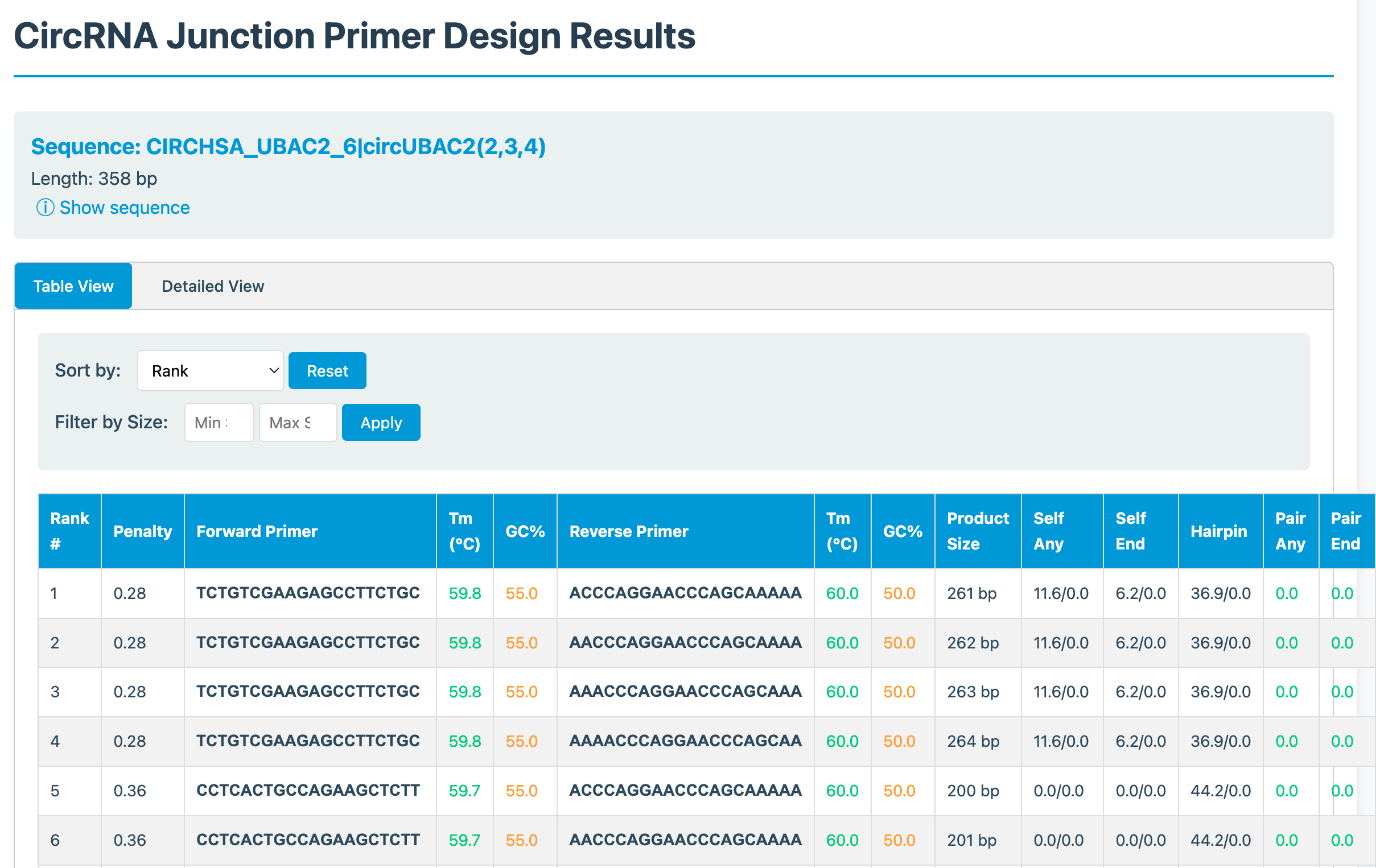
To design divergent PCR primers for each circular RNA, we first parsed the circular RNA sequences to identify the BSJ sequences. Subsequently, we utilized Primer3 (v2.6.1) to generate divergent PCR primers that amplify products spanning the BSJ.
To design siRNAs targeting BSJs of circular RNAs, we parsed the circular RNA sequences to get BSJ sequences. Then EMBOSS sirna (v6.6.0) was used to generate multiple siRNA sequences that target the BSJ sequences, with scores for user selection.